Black Mold Removal in Reno, NV
The corner of the bedroom closet, the one on the north wall, has a dark patch spreading up from the carpet line. It is black, or close to it, and the first search result you read was alarming. Here is the plain version. Color does not tell anyone what species it is, and the species does not change what a crew does about it. This site connects you by phone with an independent local provider who does black mold removal in Reno and across Washoe County.
What the crew does first
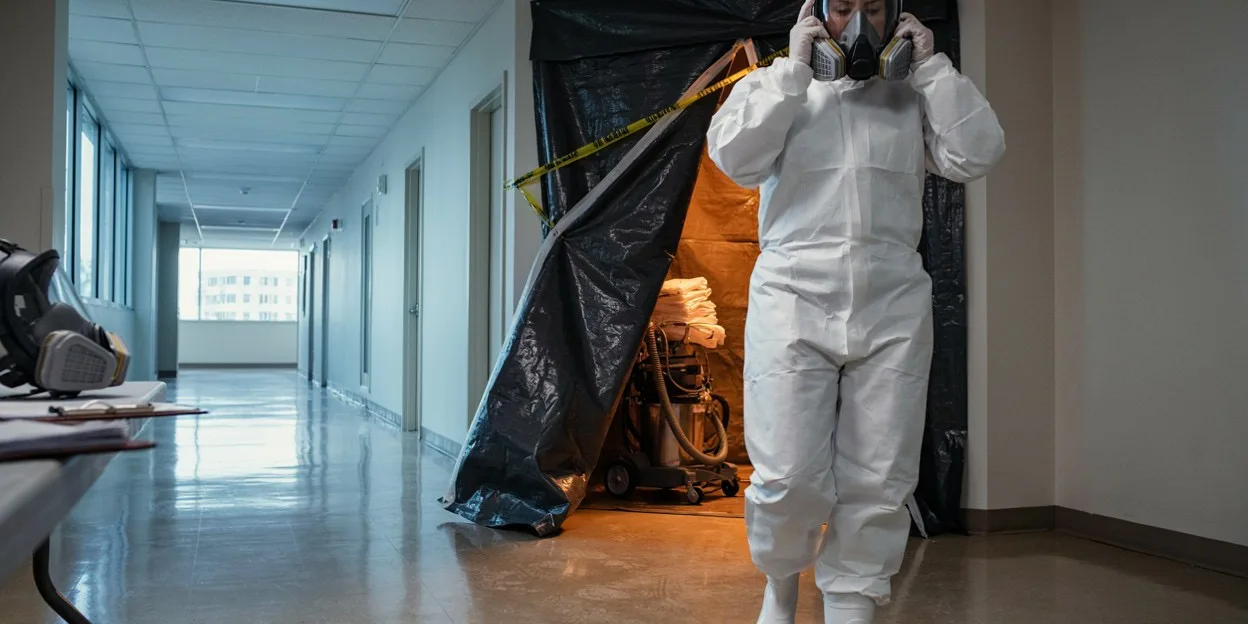
The crew treats a dark patch the same way it treats any other patch, with one difference: they assume it is heavier growth and plan the containment accordingly. Plastic on the doorway, negative air running, registers covered, and respirators on while anything is disturbed.
Then they find the water. A north-facing closet in a Reno house is a classic spot because it is the coldest wall in the home. In winter, warm indoor air hits that cold surface and condenses, and a closet full of clothes keeps it from drying. Add a slow leak from the bathroom on the other side of the wall and the growth has everything it needs. The moisture meter tells them which of those is happening.
What to do in the next hour
Leave it alone. Do not scrub it, do not spray it, and do not pull the carpet back to look. Disturbing heavy growth without containment is what spreads it. Close the closet door, keep the bedroom door closed, and switch the furnace fan to auto so it stops pulling air from that room.
If there is a bathroom or a laundry on the other side of the wall, look for a leak there. Take photos of the patch from the doorway. If anyone in the house has asthma or allergies, keep them out of that room until the crew has been through.
What is usually saved and what is removed
Drywall, baseboard, carpet, and carpet pad that grew mold come out, cut and bagged inside the containment. Insulation in the wall cavity behind the patch usually comes out too, because it holds water long after the drywall dries. Studs, the bottom plate, and the subfloor are cleaned and dried in place unless they have rotted.
Everything in the zone is HEPA vacuumed and wiped down. Clothes and belongings from the closet get sorted: hard items cleaned on site, washable items laundered, porous items that were in contact with the growth discussed with you before anything is thrown out. Drying equipment runs until the framing reads dry. Fixing the source is part of the job. If the growth turns out to be widespread, whole-home mold remediation is the next step. Once the wall is dry, mold damage repair puts it back.
Washoe County notes: cold walls, closets, and rentals
Dark growth in Reno and Sparks shows up in predictable places. North-facing closets and bedroom corners in winter. Behind furniture pushed against an exterior wall. Window sills in older single-pane homes, where condensation runs down the glass every cold morning. Under kitchen sinks. Any of those can look frightening, and all of them come down to the same job: remove the wet material, clean what stays, fix the moisture.
Reno has a large share of rentals and condos, and a dark patch is usually what gets a tenant to call the landlord. Photos with dates, moisture readings, and an itemized scope are what keep that conversation about facts. Nevada does not issue a separate mold license, so ask the provider for its contractor license number and check it before work starts.
Many policies limit what they pay for mold. Nobody on this site can say what yours will cover. Ask the crew for the photos and readings for your adjuster.
Calling about black mold removal
Have the address, where the growth is, and roughly how big it is. Say whether the wall backs onto a bathroom or laundry, and whether anyone in the home has breathing problems. Call (775) 459-9573.